
Bachelor of Science in Environmental Science
The environmental science major at Saint Joseph’s prepares students to be stewards of the planet through investigation of the environment and the ecological challenges it faces.
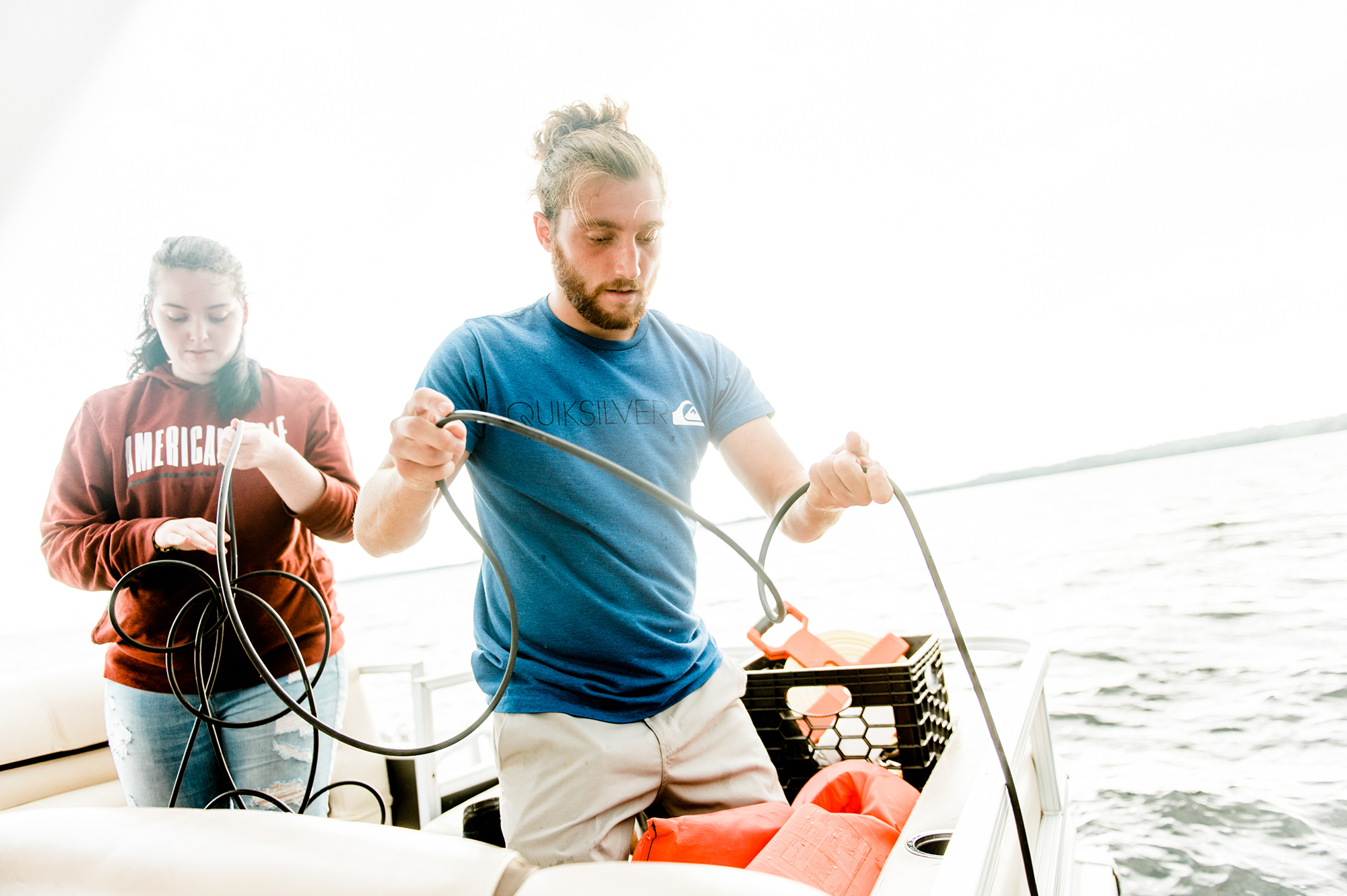
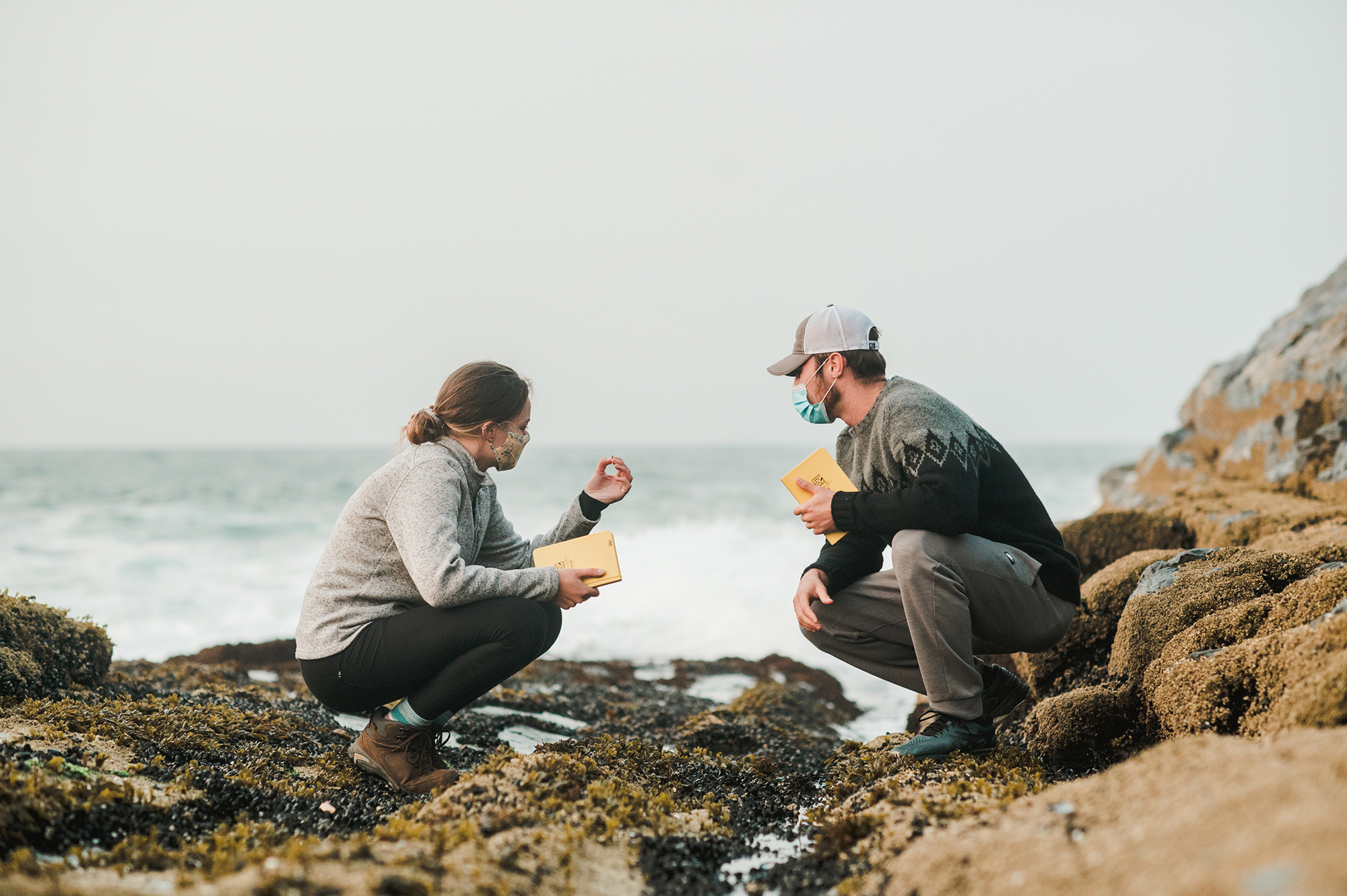
 The environmental science degrees integrate a range of scientific disciplines, including biology, chemistry, and geology, around the study of the environment. An important focus of Saint Joseph’s environmental program is on aquatic ecosystems such as Sebago Lake and the nearby Gulf of Maine.
At a Glance
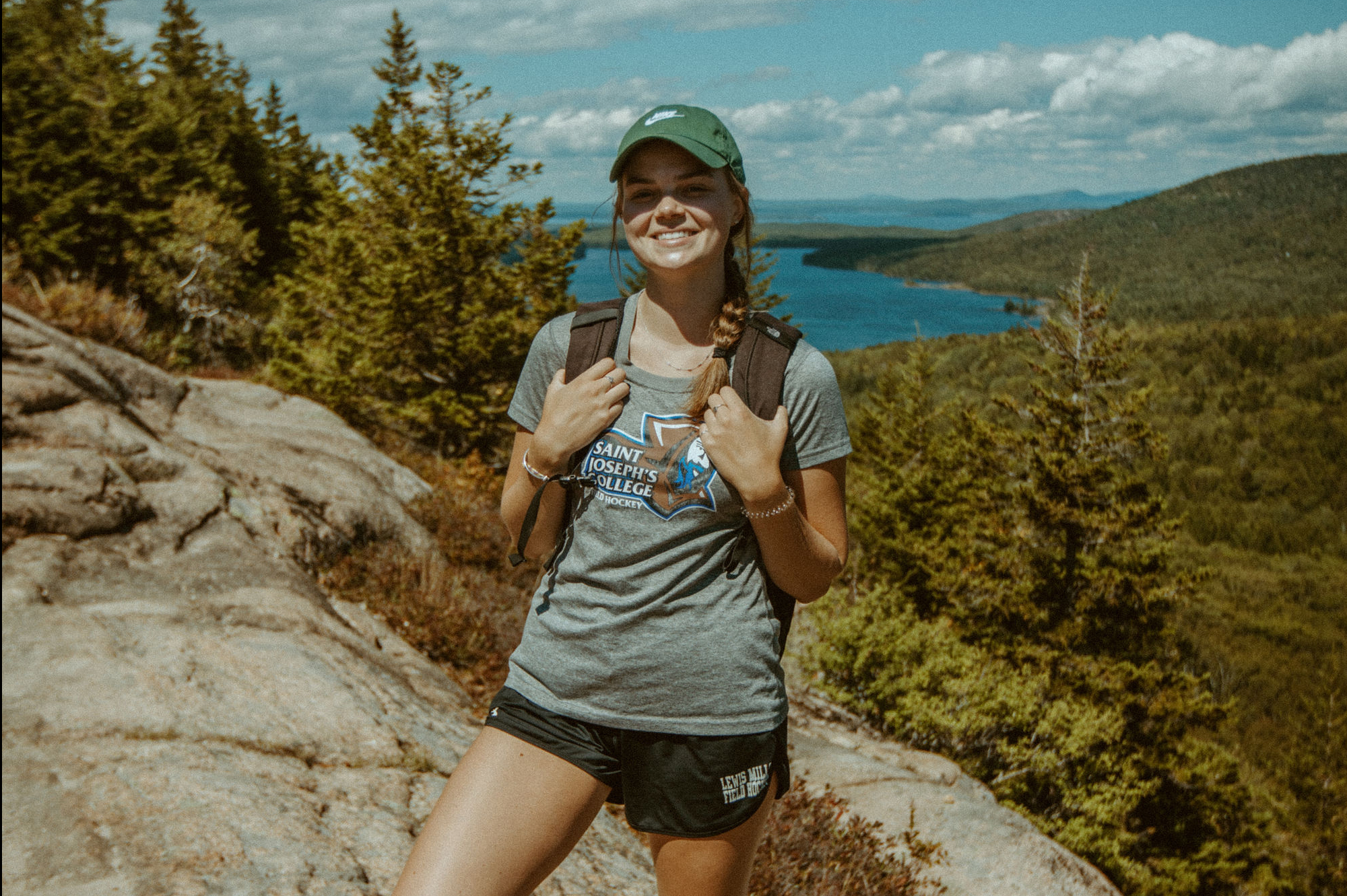
- Ideal location for field exercises and research opportunities. Situated on the shores of Sebago Lake, Saint Joseph’s surrounding region features lakes, mountains, forests, and the Atlantic Ocean.
- Low student-faculty ratios ensure close interaction with professors.
- Student involvement in research that prepares students for careers and graduate school.
- Courses provide broad training needed for a career in science.
- Numerous specialty courses to pursue individual interests.
- Opportunity to enroll in the Environmental Science Semester, a semester-long, field-based education experience.
Curriculum
The Bachelor of Science in Environmental Science incorporates the principles of biology, chemistry, calculus, ecology, and more. Much of the curriculum is field-based, with opportunities to earn credits through completely off-campus, immersive study. Also available is a Bachelor of Arts in Environmental Studies, which has a similarly science-heavy curriculum, though requires two semesters of foreign language study.
Environmental Science Minor
A minor in environmental science is available and requires students to take 20 credits.
Sustainability Studies Minor
A minor in Sustainability Studies is available and requires students to take 20 credits of course work.
Some of our faculty
MS, SUNY at Stony Brook
BS, Allegheny College
MS, University of Maine
BA, University of Colorado

MS, Stanford University
AB, Dartmouth College
Student stories

Related programs
Experiential learning
Environmental Science Semester (ESS)
Students spend the semester immersed in science, traveling from Nova Scotia to the White Mountains to the coast of Maine.