




Over 40 majors in undergraduate, graduate, and professional education programs
We make it easy to find your way into our community.
Saint Joe’s is the place where student life and community life come together.
278 Whites Bridge Road
Standish, ME 04084
General Inquiries:
855-752-4636
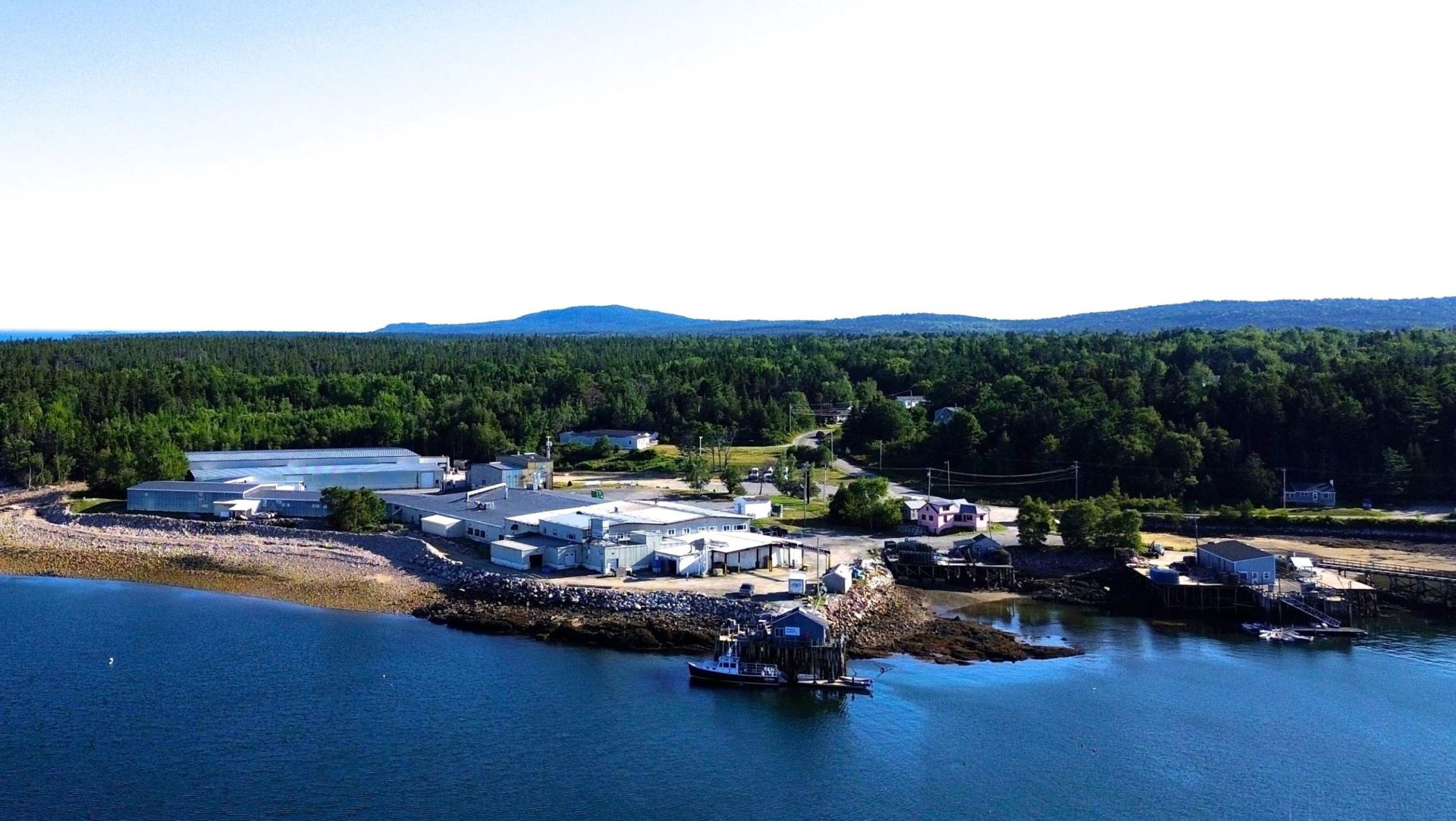
A Downeast seafood startup was awarded a $1.25 million interest-free loan to invest in infrastructure needed to buy, process and sell Jonah crab — which is typically thrown back by

The College would like to welcome these new employees who joined us in January & February 2026. Cheri Lozoraitis Academic Advisor Online College February 2026 January William Tuttle – Assistant
Over 40 majors in undergraduate, graduate, and professional education programs
We make it easy to find your way into our community.
Saint Joe’s is the place where student life and community life come together.
278 Whites Bridge Road
Standish, ME 04084
General Inquiries:
855-752-4636
A Downeast seafood startup was awarded a $1.25 million interest-free loan to invest in infrastructure needed to buy, process and sell Jonah crab — which is typically thrown back by
The College would like to welcome these new employees who joined us in January & February 2026. Cheri Lozoraitis Academic Advisor Online College February 2026 January William Tuttle – Assistant
At a Glance
The Bachelor of Science in Criminal Justice combines a liberal arts education with a professional criminal justice curriculum. Topics covered include social research, criminology, race and ethnic relations, and human nature and ethics.
This optional concentration is designed for students with a particular interest in the interaction of psychology and the law. Forensic Psychology is a broad field – practitioners work in areas such as crime trends, criminal profiling, mental health treatment for offenders and substance abusers, jury selection, impact of divorce, custody, and more. This concentration does not lead to a professional license; rather it provides a foundation for graduate work or entry-level employment.
A minor in criminal justice is available and requires students to take 20 credit hours.
Meredith Emigh-Guy has worked at a forensic psychiatric hospital, worked for a law firm, participated in research involving a halfway house, and participated in two research projects that involved reviewing and coding information from police files.
Criminal justice courses allow students to understand how the criminal justice system functions, it provides students with a critical perspective on issues related to the field (gun violence, drug overdoses, human trafficking, to name a few) and exposes students to possible career pathways and graduate school opportunities connected to the field of criminal justice. As for courses that criminal justice students might take, I think an PY101: Introduction to Psychology is a great compliment to our CJ307: Criminology course. These courses allow students to examine the various theories surrounding why people engage in criminal behavior and how this impacts the response from the criminal justice system and the community.”
“The faculty has been great and that’s something that I find this college excelling in is the relationships between faculty and their students. I work closely with Dr. Eduljee. She is very personable and on countless occasions has offered support even outside the realm of the classroom. She has been a huge help in developing me for my career. She has helped me in building a resume and has never failed to apply everything we are learning in class to my career aspirations even if it is not directly connected.”
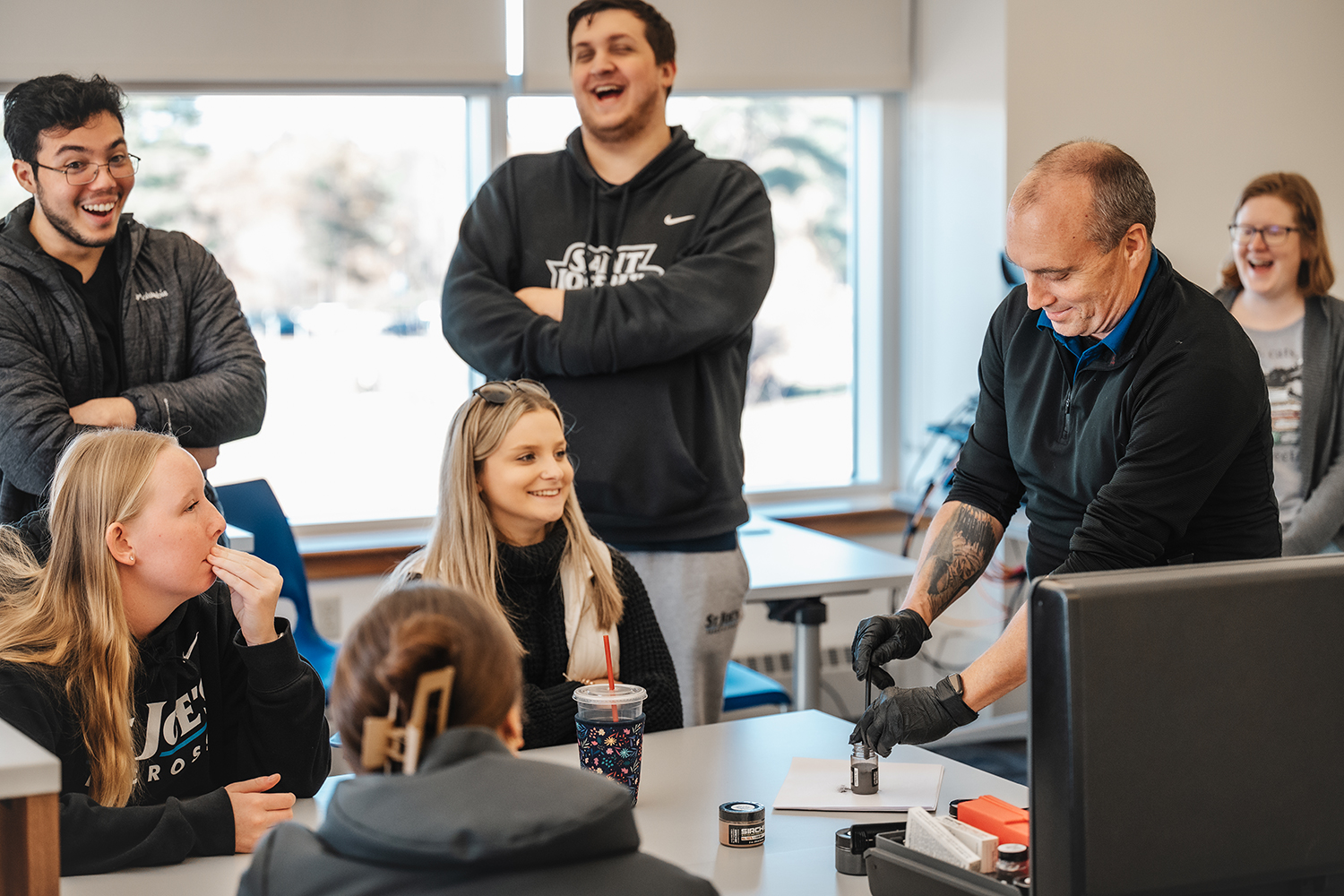
“Recently, the Criminal Justice program featured a CSI training with a Detective from the local Sheriff’s Department. Students pored over case studies and photos during a 3-hour lecture covering crime scene management, evidence collection, and forensics. Students made deductions about the scenes, lifted fingerprints and examined trace evidence under special colored lights. Later students toured the CSI truck and the various tools used by detectives. Everyone agreed that they learned a lot, including how much more difficult real investigation is than it looks on TV!”
“One thing that I really enjoy about the Criminal Justice program is the small class size. I think it’s a huge advantage to have the opportunity to work closely with my peers, and to have the support from my classmates who are experiencing everything right along with me. There’s an openness in our classes that allows for collaboration and a comfortable atmosphere where you’re not afraid to open up and ask questions. It’s been great watching everyone grow and find their own path.”
“Saint Joe’s has some great connections for criminal justice majors. The community here has been so helpful, and I’ve already been in touch with a few different police departments and have been able to set up internships due to the help of the faculty in this program. The one-on-one attention you receive as a student here is invaluable.”
“I was helping a local Police Department research their use of force reports through the years. I have been collecting data on the following categories across the reports, including but not limited to: race, gender, the kind of force used, and how many officers were involved. Use of force is a very important topic in today’s society and it is crucial that members of the community truly understand how it is used and calculated, as it can be misinterpreted. Participating in this research project has shown that it is important to try and create relationships within the community to diminish the stigma related to the overuse of power or police brutality. Having a level of trust in the police officers in your community makes it easier to call for help when needed. It’s really about creating long-lasting relationships to make your community a better place.”
At Saint Joseph’s, community grows in our students, faculty, and staff who recognize learning as a tool to lift ourselves in the service of others. The CJ 202: Introduction to Criminal Justice class put that ethos into practice with a high impact service-learning project. Focusing on Maine’s growing refugee population, the class decided to do a clothing drive. They collected enough to give to two organizations.
Class of 2009, Ass’t Prof., Univ. Louisville
“I was exposed to the importance of research to criminal justice practitioners through senior seminar and research methods courses in the criminal justice curriculum at Saint Joseph’s, as well as service learning projects.”
Class of 2014, police sergeant
Jacqueline Lorenzen, a member of the Westbrook Maine Police Department, was promoted to the rank of sergeant. She is the first female officer to be promoted to this rank in the City of Westbrook’s history.
Class of 2007, Attorney
“Having worked in a large prosecutor’s office in Grand Rapids, Mich., and now as a defense attorney, I see many police officers missing the substantive background in criminal justice that Dr. Brooker and the criminal justice faculty teach its students.”
A degree in criminal justice from Saint Joseph’s College prepares students for careers in social services, judiciary and law, law enforcement, and business. Graduates of the program have gone on to serve on police forces, enter law school, work in the federal government, and more.