Biochemistry, BS
Bachelor of Science in Biochemistry
Biochemistry explores the chemical processes that allow all living organisms to function and exist. As a biochemistry student, you seek a greater understanding of the basis for life—researching the how and why of cells and organisms.
Biochemistry allows you to gain and improve your skills in both chemistry and life science. Biochemists improve the lives of humans, animals, and plants through research in some of the most significant and constantly expanding scientific fields, including genetics, medicine, and biotechnology. As your knowledge of how chemical processes function on the cellular level grows, your study of biochemistry enables you to fill the demand of an ever-increasing need for biochemists.
At a Glance
- An encompassing curriculum that creates informed and practiced students.
- Solid groundwork for contributing to a growing field, through graduate and post-graduate research.
- Informed and comprehensive courses taught by expert faculty, not teaching assistants.
- Excellent preparation for pre-veterinary, pre-medicine, pre-pharmacy, and graduate school.
Curriculum
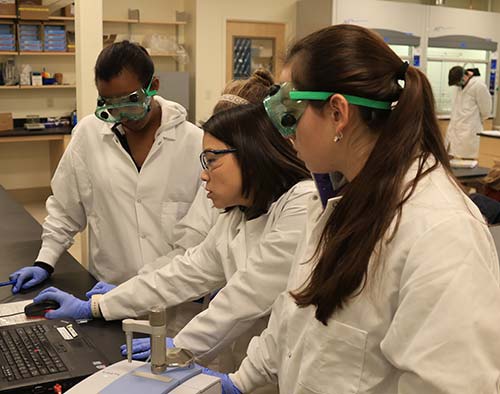
Courses in the biochemistry curriculum emphasize the study of the structure and function of biomolecules and chemical reactions in living cells. Laboratory work teaches techniques in the field while reinforcing important concepts presented in lectures.
Sustainability Studies Minor
A minor in sustainability studies is available and requires students to take 20 credits of course work.
Student stories
Hanna Holden ’23
Lab internship, Lakes Environmental Association
“During my lab internship with Lakes Environmental Association for the past two summers, I have been working on total phosphorus and chlorophyll analysis on the 40 lakes in LEA’s service area. I have done some field work including water sampling and buoy maintenance. My chemistry classes have helped to prepare me very well for this internship, especially Dr. Lesher’s Analytical Chemistry course. Many of the concepts and methods I learned in that course are directly applicable to the work I am doing during the summer. Having hands-on experiences in labs prior to my internship has provided me with many valuable skills.”
Hannah Micheal ’24
Presented her research at a national conference
“Being able to go to the conference was a great experience for me. I had learned a lot of good professional skills and a lot about myself. I learned about how to present in a formal way, how to network. The network was definitely a big thing that I didn’t realize was very easy. All you have to do is to just talk to people and there is someone new in your network. One of the biggest things that I learned about myself was to be confident and don’t let anything stop you. Before doing both the conference and the REU, I thought that a lot of people would hold me back. But the only person that is stopping you from being your best self is yourself.”
Some of our faculty
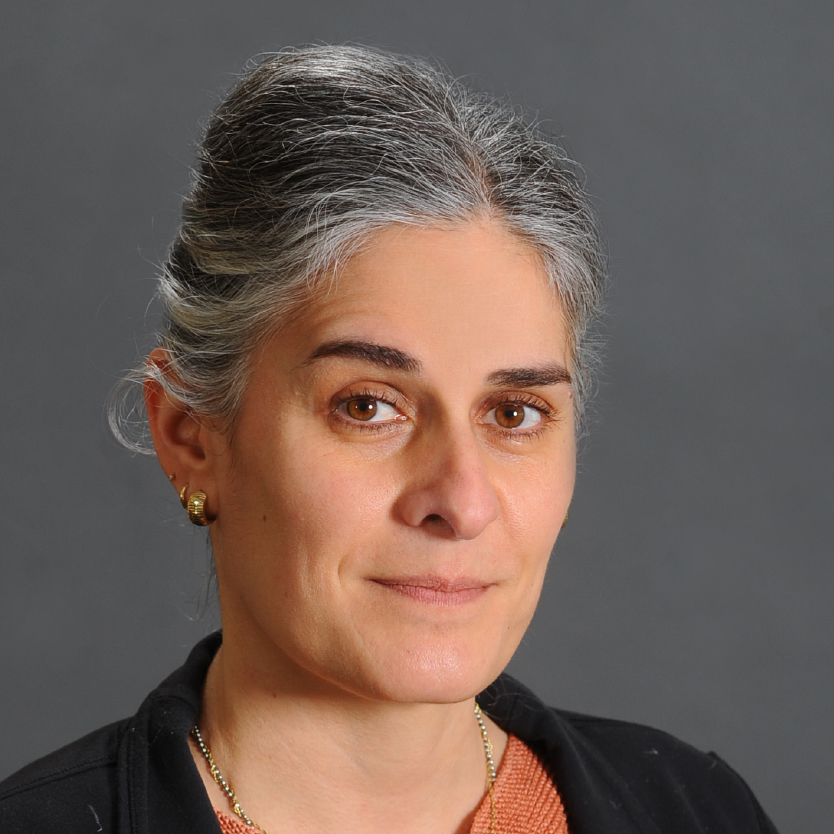
Chair, Lab Coordinator and Instructor, Sciences Department
- MS, University of Southern Maine
- BS, University of Maine at Farmington
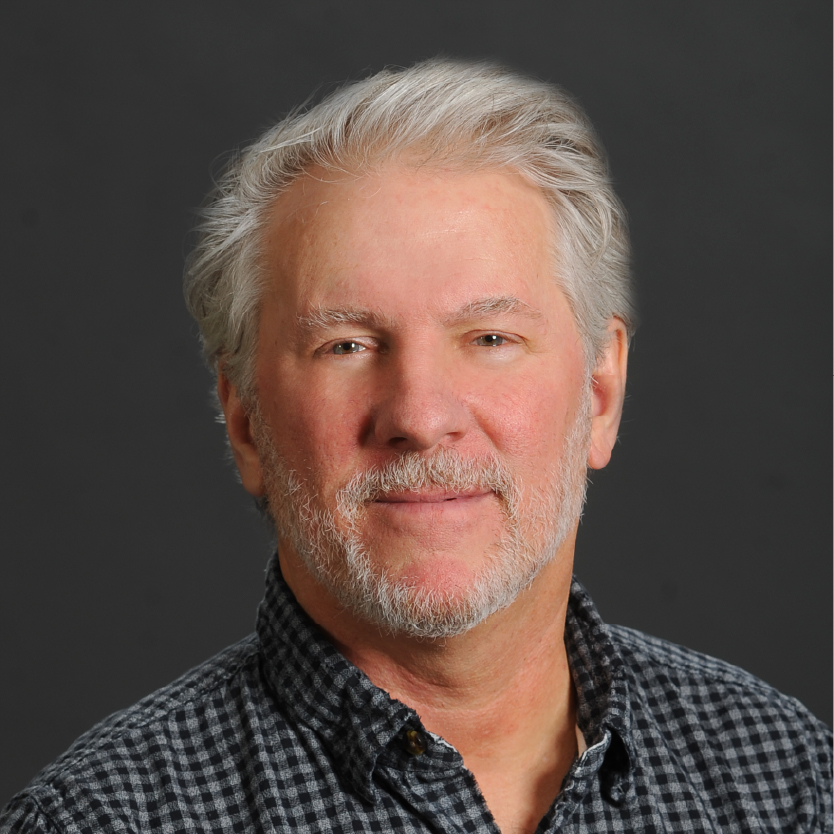
Associate Professor, Sciences Department
- PhD, University of New Hampshire
- MS, University of Massachusetts-Amherst
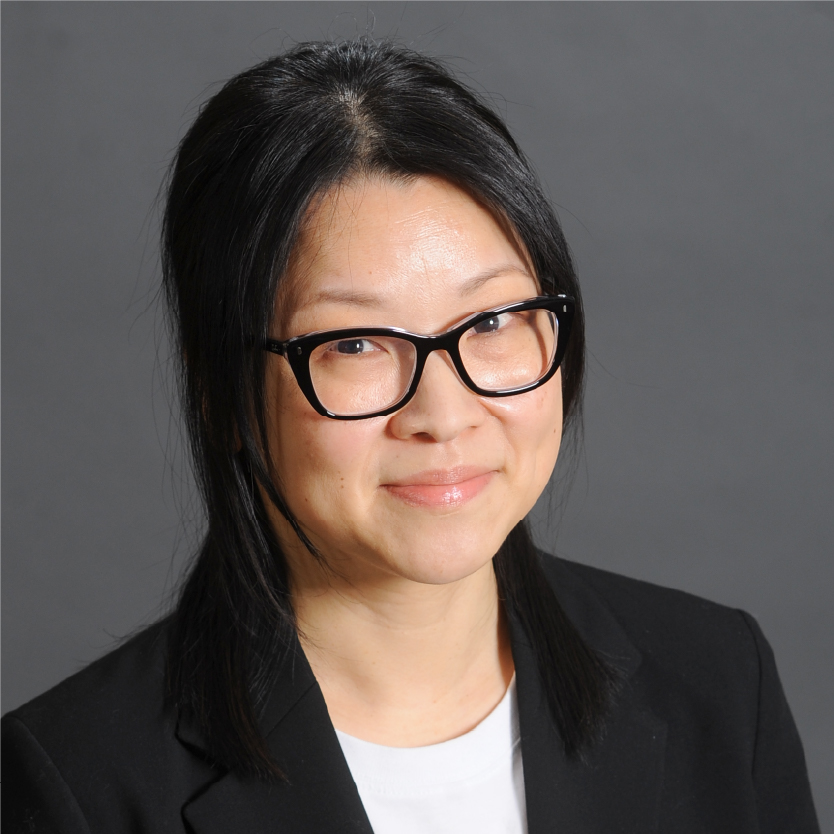
Associate Professor, Sciences Department
- PhD, University of Wisconsin-Madison
- BA, University of California, Berkeley
Career moves
In addition to graduate school, a Bachelor of Science in Biochemistry prepares students with the foundation for careers in pharmacy, medicine, veterinary medicine, forensics and forensic pathology, fermentation science, biotechnology, and a number of other growing fields.